
On a busy doctor day in rural Rajasthan, dozens of patients waited outside a small clinic. Among them were patients being treated for tuberculosis, who were returning for a scheduled follow-up. Many had arrived early, but their consultation was delayed. They were not waiting for a doctor to become available, but rather for their medical file to be found. Volunteers searched through stacks of paper while new patients were seen first. For some, by the time their turn came, hours had passed.
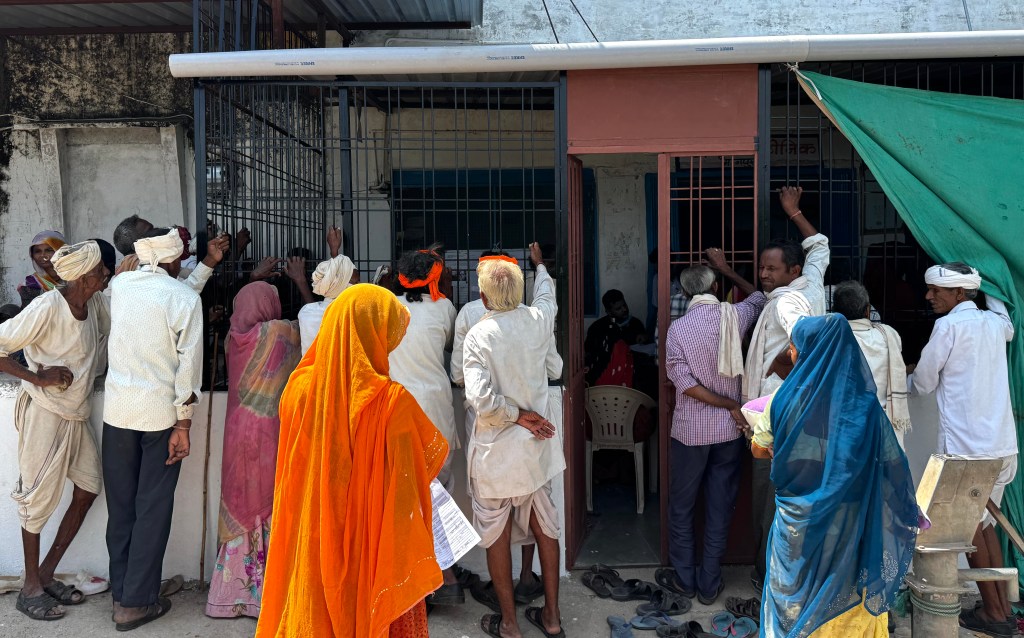
For Basic Healthcare Services (BHS), this scene plays out every week across community health clinics in rural Rajasthan. BHS is striving to deliver frontline healthcare in a challenging environment where electricity is unreliable, internet connectivity is intermittent and patient volumes surge unpredictably. The challenge it faces is not clinical expertise, but technology that is misaligned with the conditions.
The Context: Care at Scale, Infrastructure at the Fringe
BHS operates six community health clinics around Udaipur, Rajasthan. Each clinic serves a catchment area of up to 60,000 people, many from deeply underserved communities. These clinics are nurse-led, with doctors visiting once a week. On those days, patient footfall spikes dramatically.
Initially, BHS had relied on paper records to maintain patient histories and continuity of care, particularly for chronic conditions such as tuberculosis. Recognizing the limitations of paper-based systems, BHS adopted an open-source health management information system (HMIS) called Bahmni, which is hosted on a cloud server. Clinic staff access the system using laptops connected through mobile hotspots or leased internet lines.
In practice, this model failed in the environment where BHS works. Internet connectivity was intermittent and often unavailable during clinic hours, and real-time data entry became impossible. As a result, staff reverted to a workaround: update paper records during patient visits and enter data into the system later, when connectivity allowed.
This created cascading challenges: data backlogs, incomplete records, long patient wait times, and limited visibility for the central office. Most critically, it undermined continuity of care for patients who depend on consistent follow-up.
The Challenge: A Broken System, Burdened Patients
On doctor days, clinics experience their highest patient volumes. Returning patients often wait hours while staff search for physical files stored using a complex classification scheme. When files cannot be found quickly, some patients are effectively incentivized to register as “new,” leading to duplicate records and fragmented medical histories.
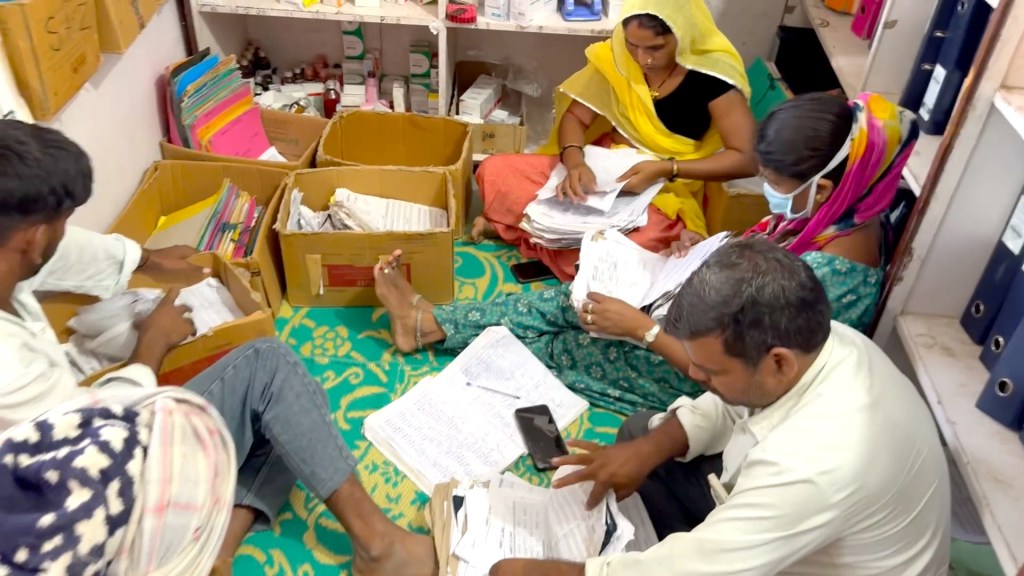
Meanwhile, deferred digital data entry created an ever-growing backlog. Staff perceived the digital system as an administrative burden rather than a tool that improved care. Reporting, inventory management, and program oversight continued to depend on manual processes.
These challenges are not unique to BHS. Across rural India, thousands of clinics face the same constraints: unreliable connectivity, power instability, paper-heavy workflows, and limited technical capacity on the ground. Any digital health solution that cannot function reliably in these conditions is, by definition, not scalable.
The Approach: Designing for Reality
Tech4Dev was brought in as a strategic partner to redesign how a health management information system can operate in low connectivity environments. The engagement combined field observations (including high-footfall doctor days) with workflow mapping and discussions with stakeholders.
The conclusion was clear: a cloud-only system would always remain a critical point of failure. Disconnection from the cloud server would remain a critical risk under the best of circumstances. Clinics needed the ability to operate fully offline, without compromising continuity of care or data integrity.
The proposed solution was for each clinic is to host its own local server. This approach prioritized quality of patient care:
- Each clinic functions independently and is the source of truth for patient records in its catchment area and for its pharmacy inventory
- When connectivity is available, clinic data synchronizes automatically with a central cloud server, enabling backups, centralized oversight, and consolidated reporting
The Requisites: Keeping it Practical and Affordable
A local server in a remote, low-connectivity area presents a different set of requirements from a cloud model. The system should be streamlined, resilient and capable of running for long periods in hands-off mode. To support this model, Tech4Dev re-engineered the underlying Bahmni stack and deployment process to reduce complexity and resource requirements. The system was optimized to run efficiently on a single low-power local server per clinic.
After evaluating cost, durability, serviceability, power consumption, and heat tolerance, Tech4Dev selected Apple Mac Mini for the server hardware. Combined with a GSM-capable router and an uninterrupted power supply, the total cost of a clinic-level server setup is well under ₹1 lakh (approximately USD 1,200).
This one-time investment replaces years of inefficiency, reduces patient waiting times, eliminates data backlogs, and creates a digital foundation that can be replicated across clinics, districts, and states.
The Pilot: From Bottlenecks to Real-Time Care
A lower-footfall clinic was selected as the pilot site. The local server was preconfigured with the clinic’s data and installed on site. From hardware setup to full system availability, the transition took under an hour.
One additional operational change was required: reorganizing paper case files by numerical patient ID rather than by village, sex, and first initial of given name. BHS staff undertook this task overnight in preparation for launch—a testament to the urgency of the problem and the trust in the solution.
The first day of operation was a doctor day. The system performed as intended. Staff accessed complete patient histories in real time. File retrieval dropped from hours to minutes. No data entry backlog was created. For the first time, the clinic operated digitally without depending on the internet.
The Future: Scale up and Scale Out
With a successful pilot in place, BHS now has a clear roadmap to scale this model across all its clinics. Significantly, BHS can also share this model with other organizations facing the same challenges nationwide.
For Tech4Dev, this initiative was about more than hardware or software. It was about designing digital systems that work where infrastructure is weakest and needs are greatest. By assuming offline operation instead of constant connectivity, BHS and Tech4Dev have demonstrated a model that can scale across rural India.
With modest investment, this approach:
- Enable real-time continuity of care for chronic conditions such as TB, maternal health, and non-communicable diseases
- Reduce patient waiting times and staff workload
- Improve data quality for program monitoring and public health reporting
- Create a resilient digital backbone for thousands of clinics serving millions of people
For BHS and other care providers, strategic support can accelerate replication, strengthen analytics and reporting, and help establish a nationally scalable template for rural health information systems that truly work at the last mile.

