
This blog was written by Karishma Navalkar, Monitoring and Evaluation Lead at Baala, who shares her experience at the Dalgo Sprint held in Bangalore in September 2025.
I have always been fond of technology. As a millennial, I enjoy exploring new tools and platforms. But in the workspace, especially in the development sector, technology often feels like something built elsewhere, almost like it is expected to magically solve problems rather than something we actively help shape.
In the field of Monitoring and Evaluation, our roles have evolved over time. We started with designing studies and analyzing data, and now we are increasingly engaging with digital tools. I had seen platforms like Dalgo from a distance. Although they made our work easier, I had never taken the time to understand how they actually worked or what went into creating them.
Here at Baala, where I lead evidence and insights generation alongside the research team, it felt natural for us to take steps toward building a stronger data pipeline, one that could serve not only our own work but also benefit others in the ecosystem. This aligns closely with Baala’s ethos: building together, sharing openly, and strengthening the sector as a whole.
The tech sprint gave me the opportunity to do exactly that.
Building Connections Over Coffee
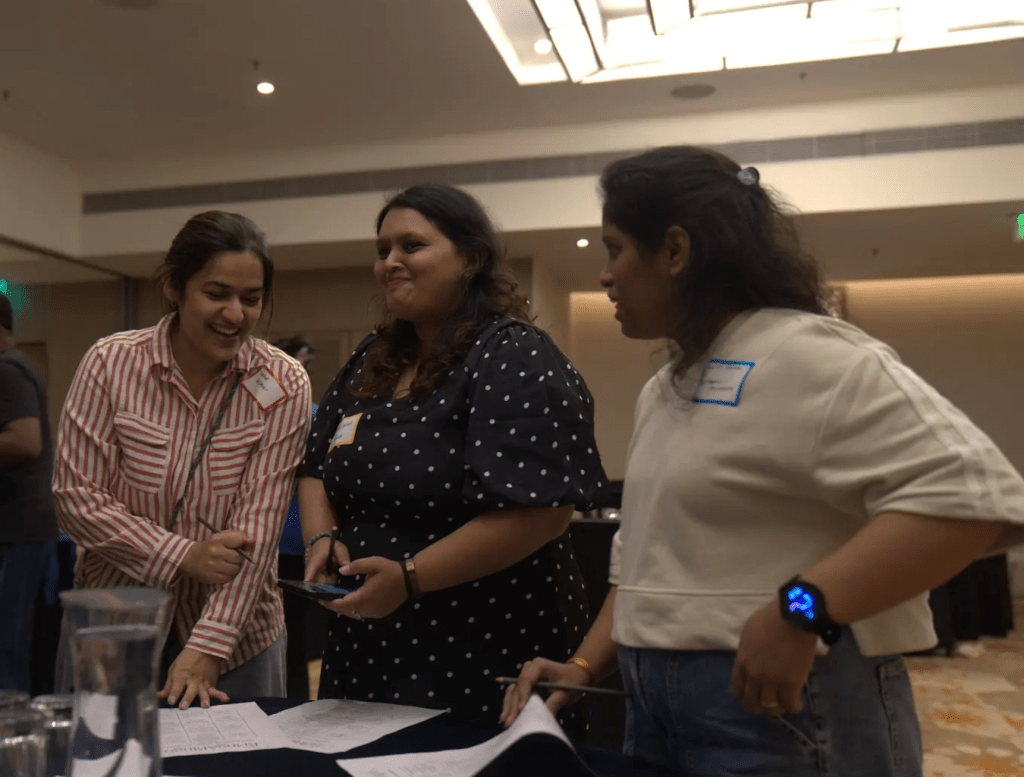
At the sprint, I had the chance to meet people from organizations like Antarang, Ummeed, STIR Education, Noora Health, Make A Difference, INREM, and Bhumi. It honestly felt like stepping into a room full of passionate, inspiring minds.
The Dalgo team was warm, welcoming, and supportive throughout the event. They patiently explained processes, broke down technical jargon, and made sure everyone was on the same page.
What surprised me most was how many new connections I made, some sitting just right across the table. I even reconnected with a few people from the Glific sprint, which made me realize something important: the tech community is much smaller and more connected than I had imagined. That sense of closeness made the whole experience feel less intimidating and far more collaborative.
One of the highlights was finally meeting the entire Tech4dev team beyond the screens. It was great to interact face-to-face, learn about each other’s roles and organizations, and appreciate the unique contributions everyone brought to the table. And perhaps the best part? Everyone was genuinely curious, not just about the technology, but about each other’s stories and work.
The Code Behind the Scenes

The sprint was not just about building; it was also a deep learning experience. We had engaging sessions covering a wide range of topics, including:
- Predictive modeling: We gained hands-on experience exploring how data can be used to forecast outcomes. It was fascinating to understand the logic behind these models, even though some of it was complex.
- Goalkeep: We learned not only about building dashboards but also about the thinking and processes involved in designing tools that help users monitor and manage how their audiences consume information.
- User testing and beta features: Trying out early versions of tools gave us real insight into how much iteration and user feedback go into even the smallest feature. It also highlighted the importance of streamlining user requirements early in the development process.
The team, especially Siddhant, Ishan, Himanshu, Pratiksha, and Anusha, really helped me break down the technical jargon into simple, easy-to-understand steps. For someone like me, it made it much clearer how everything fits together when building the backend of these tools.
Key Takeaways From Conversations
1. Tech Takes Time
We often assume technology is meant to speed things up. But building back-end systems, testing, and iterating on tools actually takes a lot of time and patience. There is trial and error, debugging, and redesigning, and that is okay. The magic is not in rushing; it is in getting it right.
2. Collaboration Is Key
I usually work with monitoring, evaluation, and data analysis, so seeing how technology is built was both interesting and challenging. Understanding the language and processes took time. But what made the difference was collaboration. The team met us halfway. We worked together to understand each other’s perspectives: how we look at data, how we draw takeaways, and how the tech is supposed to support that.
3. Sustainability Starts Early
Once something is built, it is easy to get caught up in how shiny and functional it is in the moment. But one thing I learned is that sustainability needs to be part of the conversation from day one. How will this tool live on? Who maintains it? How do we ensure it does not become outdated? These questions need to be imbibed into the process early.
4. Looking for the X Factor
Seeing the entire process from design and testing to feedback opened my eyes beyond my usual perspective. I found myself asking: What new ideas can I explore? What more can we do at Baala to keep innovating and find that X factor?
The Final Call
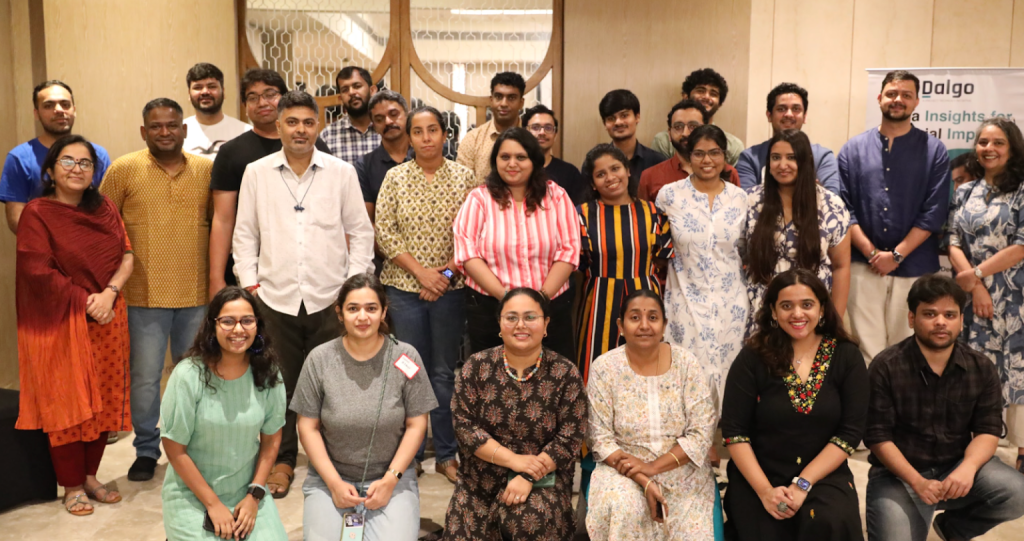
From the network being down on Day One to those moments when everyone suddenly synced and ideas for Dalgo 2.0 started flying around, there were intense work sessions, unexpected breakthroughs, and, of course, plenty of bonding over a delicious plate of biryani and endless cups of coffee. This sprint had it all.
Side note: a big thank you to Deepak and Stuti for being so kind and making me feel comfortable during the video interview. I really appreciated it!
Hoping to catch a sprint in Mumbai soon!
Baala, an organisation working to end period poverty while creating employment for women, recently joined the Dalgo community to strengthen their data journey. Follow their inspiring work at projectbaala.com and on LinkedIn.
