One of the most fulfilling aspects of my professional life is traveling to remote regions and collaborating with people who dedicate their expertise, experience, and time to solving problems for the greater good. My recent engagement with Ayang Trust — a remarkable organization transforming lives in Majuli, Assam — has been a testament to that spirit.
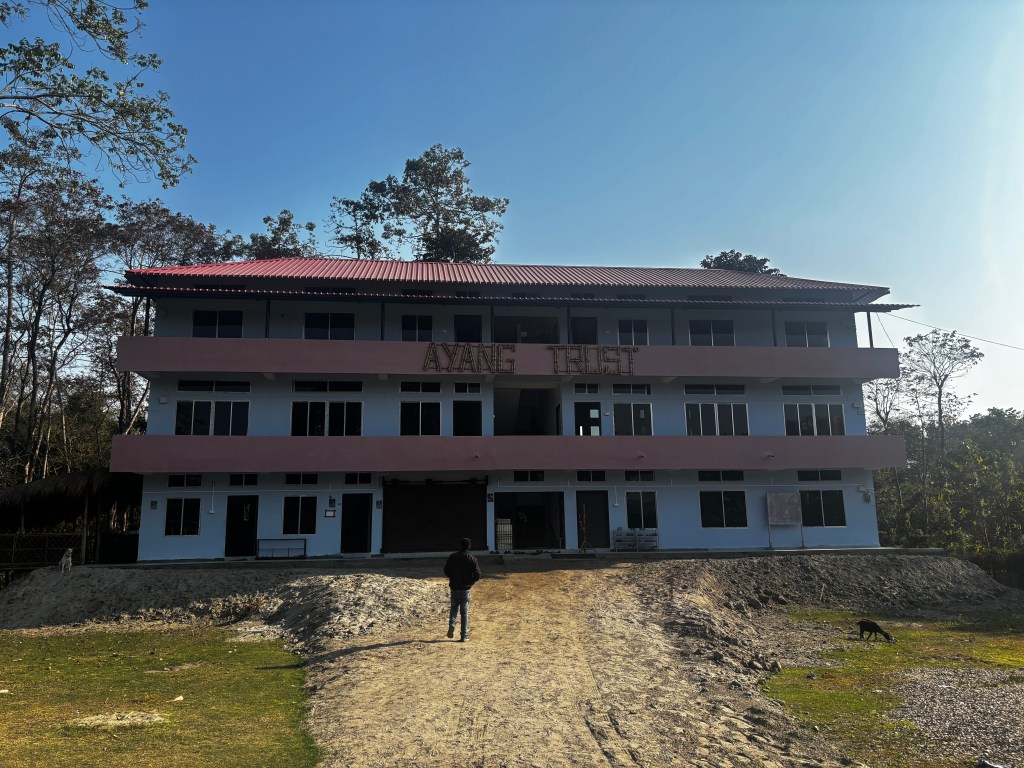
Founded by a team of passionate change makers (none originally from Majuli!), Ayang works across education and livelihoods. Their impact is both deep and wide: from running a model school to empowering thousands through community libraries and income-generating initiatives.

Education & Livelihood: Dual pillars of Ayang
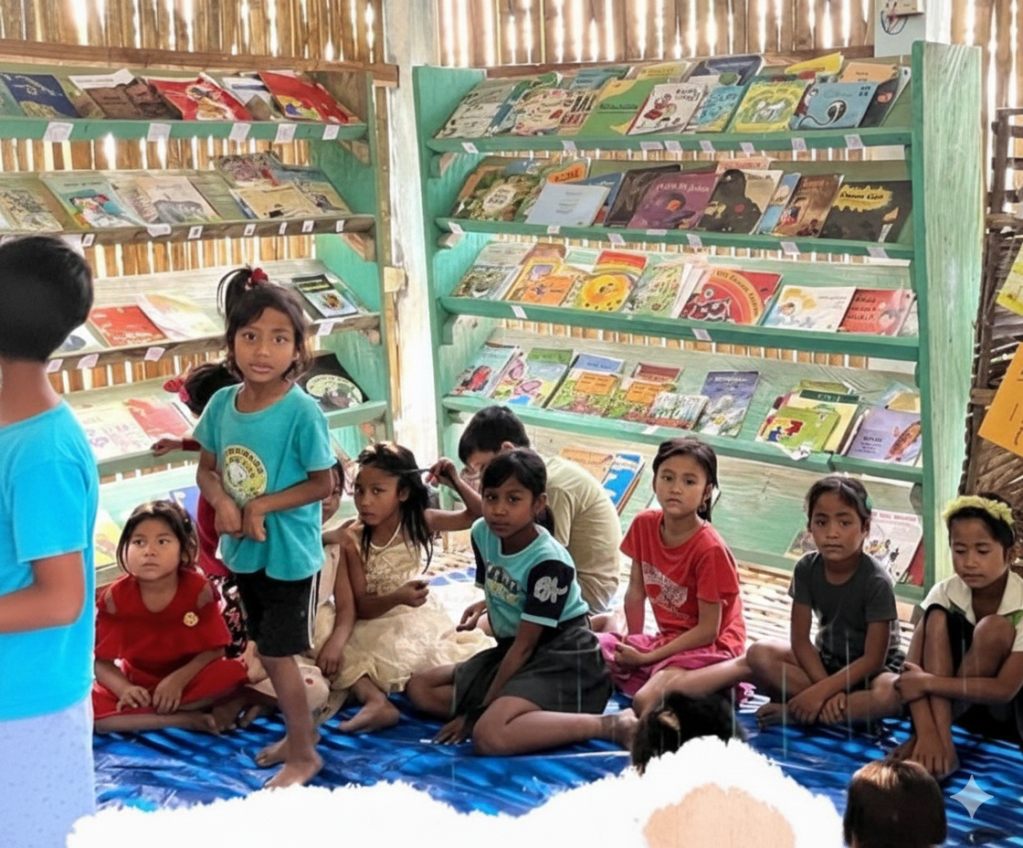
In the education space, Ayang runs The Hummingbird School — a pioneering institution offering high-quality, contextual education to children from adverse backgrounds in Northeast India. As of October 2024, Ayang also operates 38 community libraries, reaching over 10,000 children.
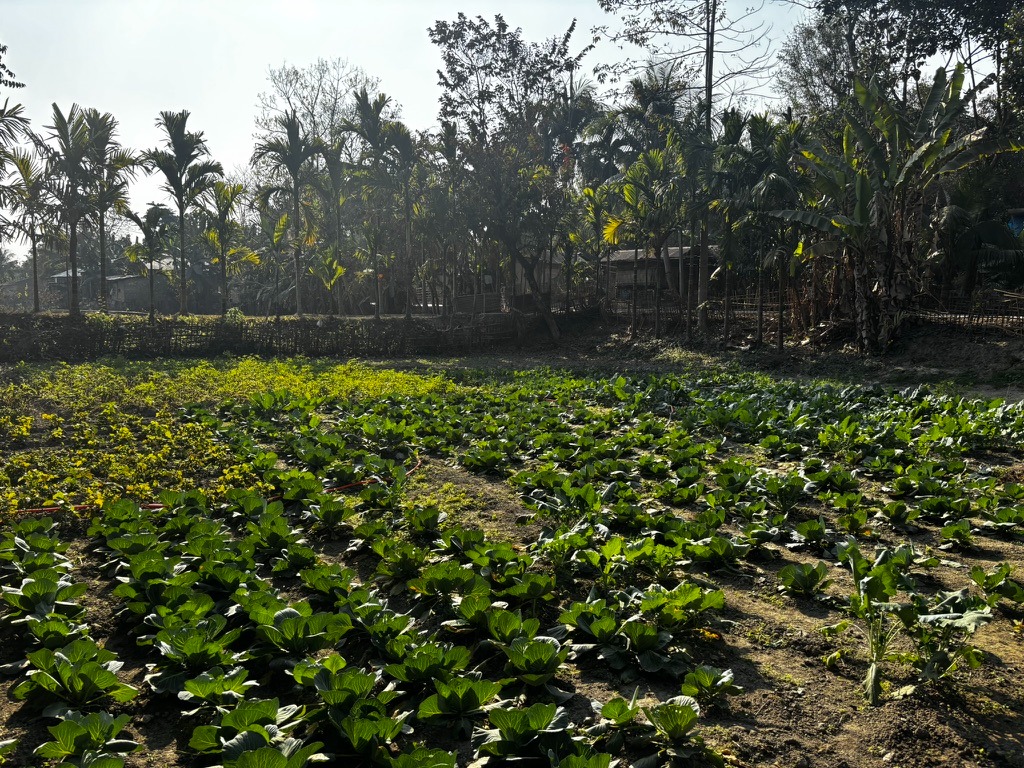
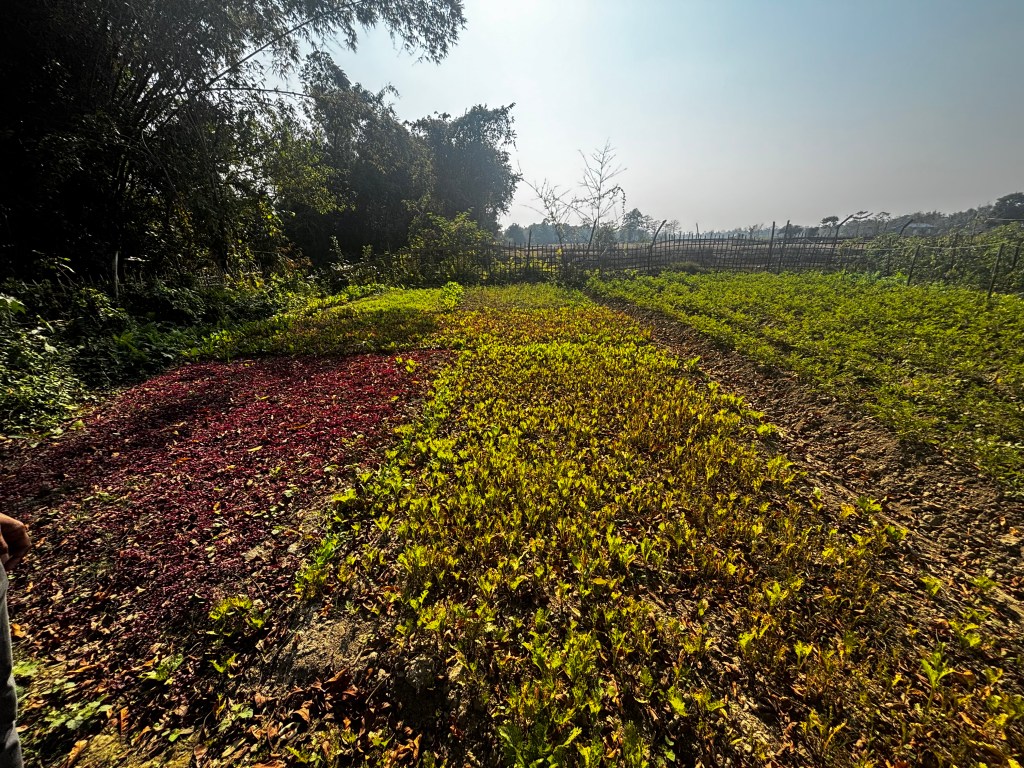
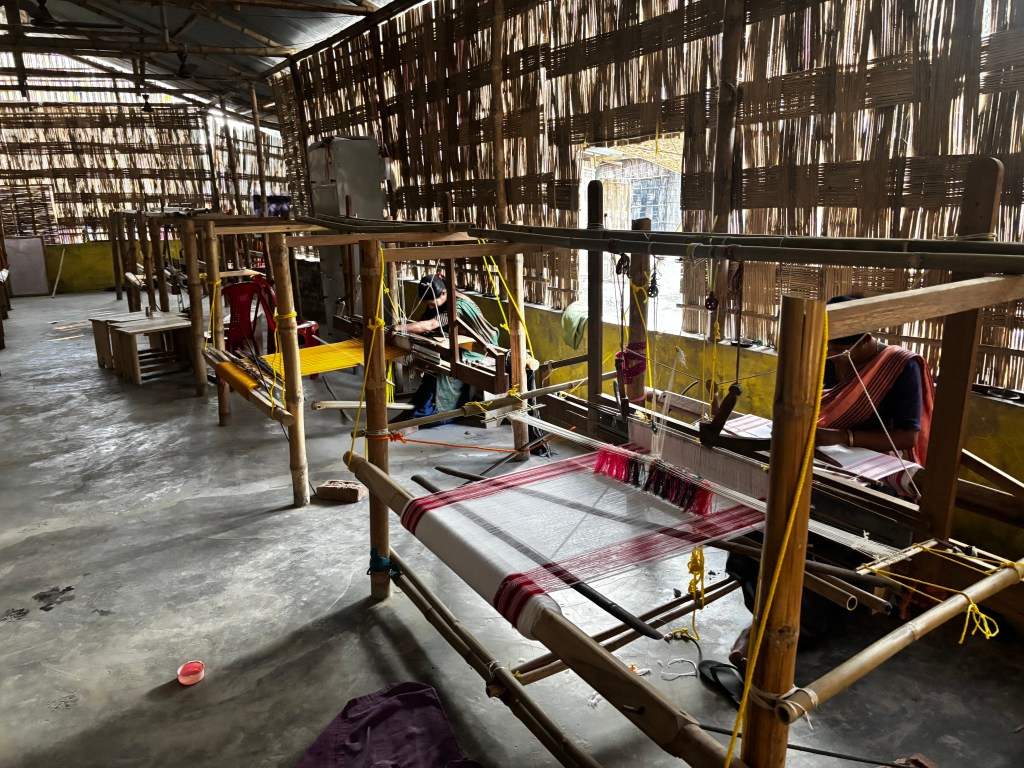
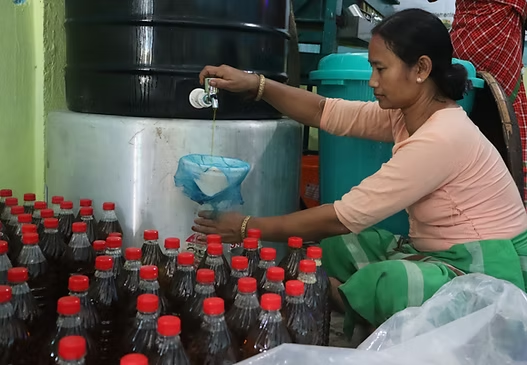
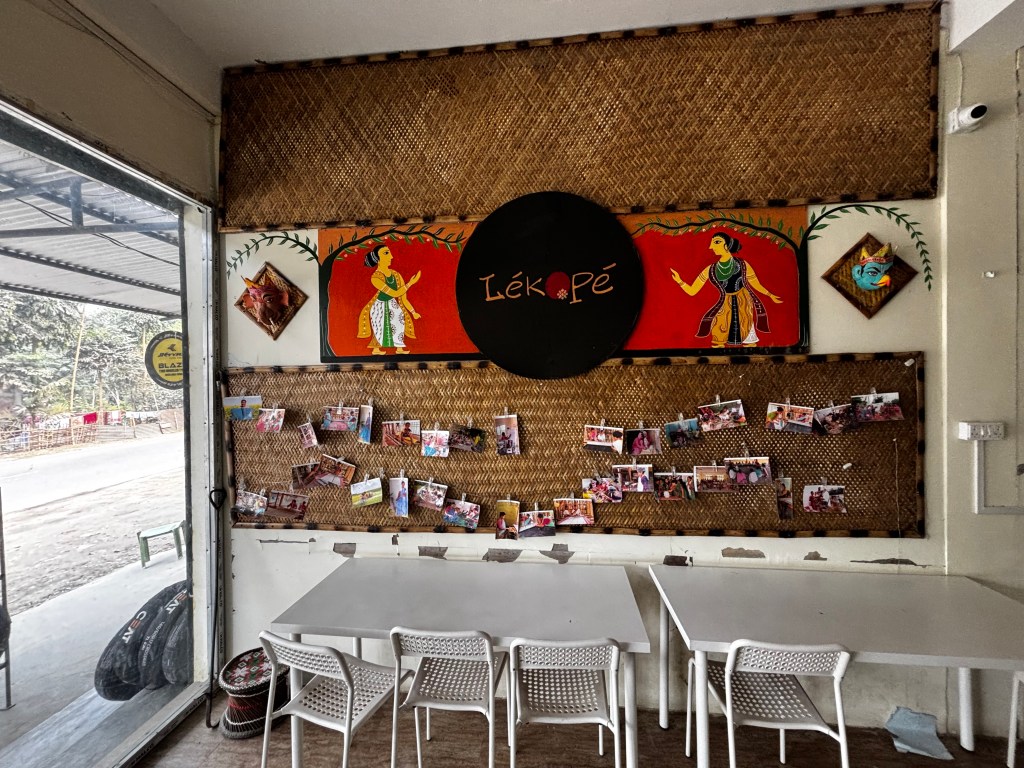
On the livelihoods front. Ayang supports farmers, weavers and aspiring women entrepreneurs through CSR-funded projects. Their efforts go beyond training and infrastructure – Ayang has created a Farmer Producer Organistation (FPO) called Lekope which runs cafes, supermarkets and food processing centres to increase market linkages and improved visibility for the local products and produce.
Tech as an enabler: Enter Tech4Dev and fCxO
Despite their impressive impact, Ayang’s leadership recognises the limitations of what can be achieved by human will and effort alone. They have partnered with Tech4Dev through the fCxO program to explore how technology can amplify their reach reach and impact, starting with the Livelihoods vertical.
“Livelihoods as a test bed”
On the basis of field visits and operational diagnostics, it became evident that Livelihoods could be an ideal pilot for tech adoption. The challenges were clear, interventions tangible and the potential for immediate impact high. Technology could streamline data collection, reduce dependency on field personnel and empower beneficiaries to not only self-report project-critical data but also connect with the field coordinators faster.
Early tech interventions identified are; creation of centralised beneficiary management systems, digitised field data collecting with self-reporting capabilities, beneficiary helplines for faster support and a drone and ML based plantation monitoring system (project-specific)
Lekope: Tech foundations for retail & distribution
Inventory management surfaced as the most critical tech need at Lekope. Despite partial digitization, some operations still relied on pen and paper — a bottleneck for scale and efficiency.
“You can’t build a great building on a weak foundation.” says Gordon B. Hinckley. Before deploying tech, foundational operational processes must be strengthened. That said, technology can also serve as a catalyst for understanding and capacity building. For example, WhatsApp chatbots to track daily production, WhatsApp-based logs for material movement, simple inventory reports based on procurement and sales can be interventions aim to ease users into digital systems with minimal learning curves, fostering ownership and awareness of data.
Building a connected Digital core – The Tech Stack
To avoid data silos and fragmentation, Ayang plans to house all systems on a unified business management platform. This ensures seamless integration, centralized administration, and cross-program visibility.
True to Tech4Dev’s ethos, open-source platforms are prioritized — with Frappe proposed as the backend layer to host data, project management, grant tracking, and more.
The tech stack is expected to evolve along the following lines:
Modus Operandi – the principles that guide us
Tech4Dev’s approach is grounded in sectoral realities and long-term impact:
- Start with a test bed: Learn, adapt, and scale.
- Prioritize data integrity: Build trust and evidence.
- Empower field staff: Reduce manual overhead.
- Leverage existing platforms: Use tools like WhatsApp as bridges.
- Think beyond current needs: Tech is about sustainability and scalability.
Looking ahead
In the impact sector, technology is no longer optional; its a strategic enabler ! With the right mix of platforms, processes and people, organisations like Ayang can be empowered agile, high-impact and cost efficent solutions aligned to their mission.
The learnings are very evident; digital transformation for impact sector organisations isn’t just about tools, its about reimagining how they deliver impact.
The fCxO engagement with Ayang aims to embed technology in a way that’s scalable, sustainable and deeply rooted in their values. We look forward to sharing more as this journey unfolds.