
On September 12th, we organized Tech4Impact nonprofit leadership convergence in collaboration with Dasra. The idea for Tech4Impact Leadership Convergence actually grew out of one of our fCxO engagements. In those conversations, it became clear that while many organizations are experimenting with technology in their own ways, there was a pressing need for cross-learning and collaboration—a space where leaders could share their journeys, challenges, and successes of leveraging technology for impact. This conference was our way of creating that space.
The goal of the event was to bring senior leaders together to have real conversations, not just about wins but also about struggles and failures, and to build genuine connections. Conferences often feel broad, but we wanted every participant to walk away with one clear takeaway: knowing exactly who they can call when they’re stuck. Because when those connections deepen, the ecosystem becomes stronger, more resilient, and better equipped to create impact.
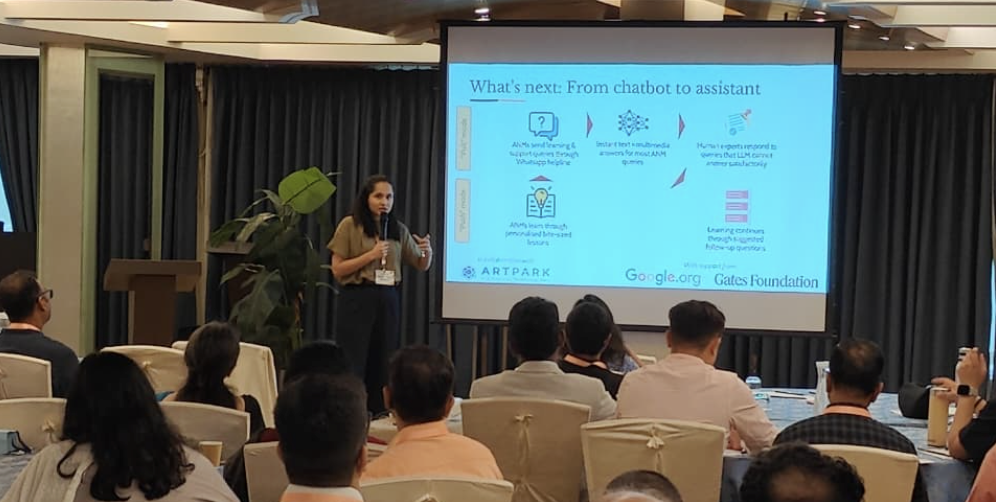
We started the day with an interesting speed networking session that warmed up people for rest of the day. Followed by this, was a plenary talk by Amrita Mahale from Armman where we understood how Armman is building digital tools and platforms to train and guide frontline health workers (ASHAs, ANMs) with decision-support systems. The talk resonated with other NGOs present, who are working on maternal and child health and sparked deeper conversations and reflections.
We then had a session on Celebrating failures & building a culture of learning facilitated by Kavneet Kaur from Dasra. This session was very well received and opened up a safe space for NGOs to share their failures and mess ups with each other. We broke into smaller breakout groups and shared stories of misses and failures. One story led to another and people felt comfortable sharing their challenges and difficulties. Participants felt heard and could relate with each other through this session and was the one session that was mentioned again and again through the day.

We then wanted to open up doors for cross learning from the folks in the room itself, thus we broke into smaller groups to discuss specific themes amongst each group. Participants in each breakout group discussed their thoughts, experiences, challenges faced and solutions amongst each other. The conversations were rich, bringing diverse perspectives and viewpoints to the table. Each participant engaged with the prompts through their own lens of experience and thinking, which made the discussions authentic, insightful, and truly the highlight of the workshop. Some of the most engaging roundtable discussions covered themes such as:
- Government & tech partnerships
- Building tech talent and organizational capacity
- Data protection & cybersecurity best practices for NGOs
- Integrating tech into program budgets & fundraising
- Experimenting and deploying AI responsibly for social good
The energy in the room was inspiring—participants shared experiences, asked tough questions, and walked away with ideas they could take back to their organisations. Post two interactive sessions we moved to a plenary session by Nidhi Bhasin, CEO of Digital Green which demonstrated how Digital Green is building AI-powered conversational platforms (chatbots and voice assistants) so farmers can access localised, actionable advice directly through WhatsApp or voice calls.
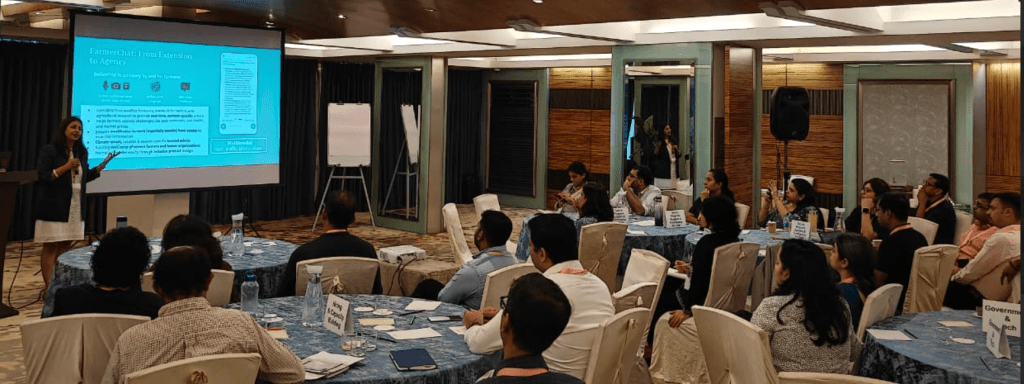
At the very end, we had lightning talks by four NGOs in order to demonstrate and share their tech journeys.
- Janaagraha: Demonstrated the CityFinance platform (cityfinance.in) through which they standardize and publish audited and unaudited financial data across cities.
- Avanti Fellows: Their experiments with AI-driven tools like progress reports and interactive chatbots that simulate mentorship, offer feedback, clarify doubts, and encourage reflection.
- Lend a hand India: Lend a Hand has built a mobile app and WhatsApp chatbot that tracks students’ internship journeys.
- Farmers for Forests: F4F uses drone imagery and satellite data to track tree cover, monitor tree health, and measure outcomes (like survival rates of planted trees). This helps them see what’s happening on the ground without having to physically visit every site.
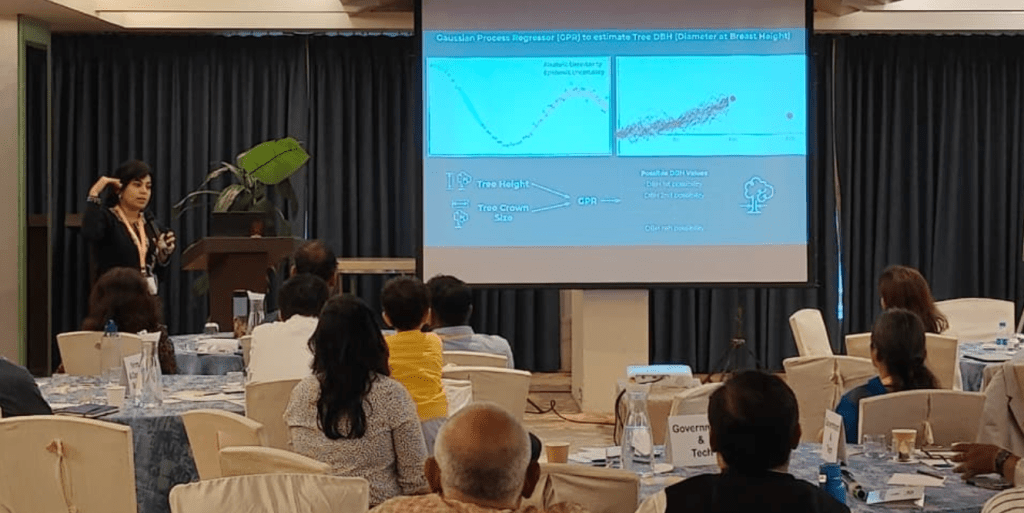
Overall, the lightning talks made all the discussions and debates become real since the participants could see that some NGOs have been through the journey, faced challenges and implemented scalable solutions successfully. This left everyone with the thought that it isn’t essential to have a massive grant or a huge tech team in order to build and pilot solutions for the sector.
In summary, the day was packed with plenary sessions, small group discussions and lightning talks from NGOs, which provided a good setup for NGOs to network, connect and learn from each other.
