
(This is what I had on loop while writing. You can play it in the background while reading: Why by Ronak Gabbi)
Ok enough,
Kickoff
This was my second sprint with Tech4Dev, as exciting as the first one, though with a two-year gap in between.
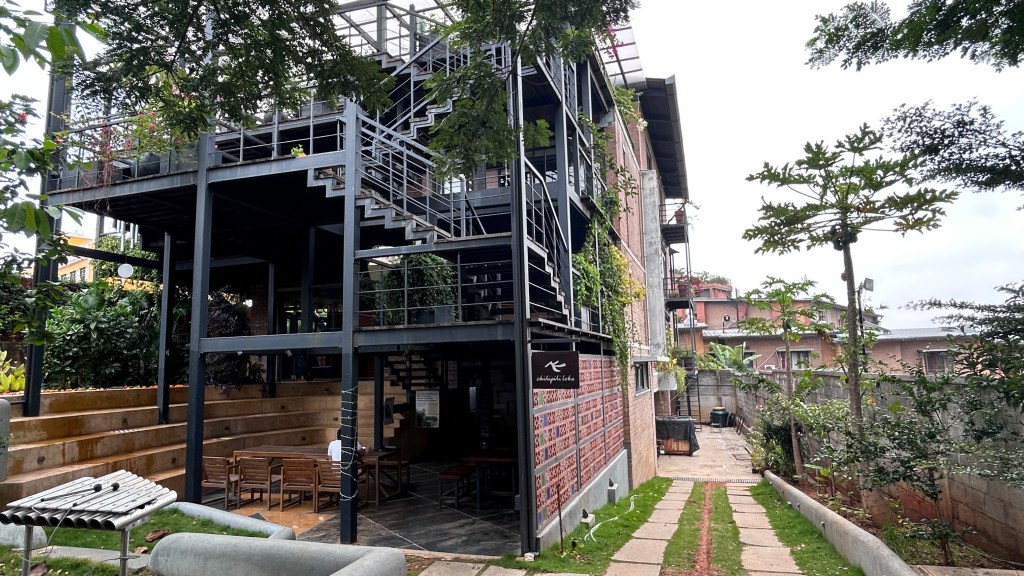
The first week kicked off with the dev sprint: lots of meetings, discussions, and the much-awaited in-person meetups, all happening at the Quest Learning Observatory. I was meeting most of the team for the first time, so obviously, I was buzzing with excitement. The sprint started with meeting Apeksha and Priyanshu at the airport. The three of us instantly fell into college-time stories with pure chaos but the fun kind, now slowly blending into work life.
By the next day, I was already comfortable. Quick intros were done, nervousness was gone, and it was time to dive into the sprint.
We had four sessions:
- System Design by Devi
- Performance Optimization by Shamoon
- Kaapi Infra by Vijay
- Claude Code by Himanshu

Each was unique, but together they gave me one big lesson: zoom out, see the system as a whole, not just the small piece in front of you.
But the highlight for me wasn’t the sessions. It was when the Glific and Kaapi teams came together to debug a strange issue. Some bots were down, but the system itself looked healthy. It was like having a car that refuses to move even though the engine is running fine. Everyone had their heads buried in logs, DB checks, and code testing. Hours of chasing shadows… only to discover the culprit was OpenAI. Frustrating, but also fun. And honestly, this is what a dev sprint is about people coming together, solving things side by side, and building stronger bonds in the process.
All of this was happening at QLO, where the people were so warm and welcoming that not for a single moment did it feel like we weren’t in a Tech4Dev space. The food they served was another highlight, and one day we were treated to a traditional Sadhya that was simply unforgettable, a burst of flavors that words can’t quite capture. Big thanks to everyone at QLO for making us feel at home
I could write more, but then it might never end.
Openness and Collaboration
The next week of sprint brought in NGOs as well as new people, new stories, and new problems being solved. For me, the pressure was higher. I had to give a session on Langfuse to the AI cohort first thing in the morning on Monday.
The night before, Ashana, Akhilesh, and Kartikeya sat down with me for a dry run. And honestly? Right before that, I was practicing and couldn’t even say a full sentence properly. Terrifying. But in the dry run, something clicked. I went completely off-script, but the flow was natural. All three gave feedback that shaped the final session.
- Kartikeya taught me a golden hack: mark the 2–3 points you must say on each slide, and skip the rest if you forget. Don’t try to recite line by line.
- Akhilesh has this clarity about NGOs’ needs, where to set boundaries. He helped me refine what to show, and what not to.
- And Ashana… just her confidence in me was the boost I needed.
The big day arrived. Ashana hosted the AI cohort kickoff, NGOs introduced themselves and their projects, and then it was my turn. Shaky hands when I held the mic but I focused on just the first sentence I had prepared. Once I asked my opening question and saw the response, everything else flowed. The nervousness disappeared.
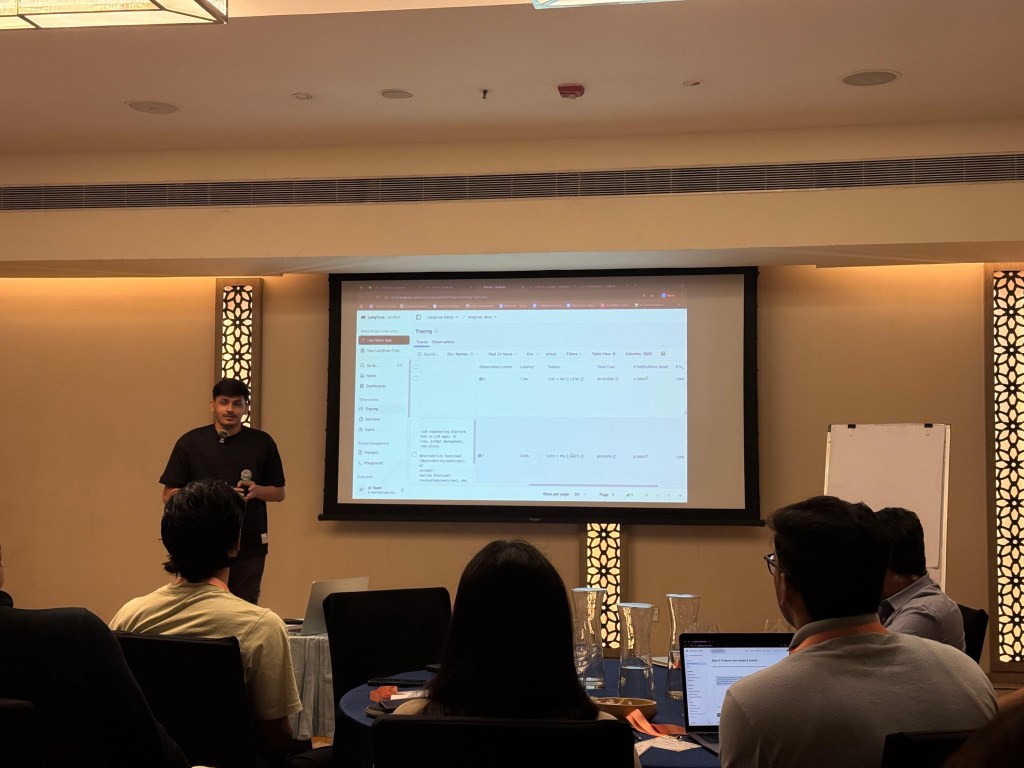
What I didn’t expect was how interactive it became. Questions started popping up in the middle of the session, and instead of me answering everything, the room answered together. That’s when I realized: the best sessions aren’t one-way lectures, they’re conversations. When I finally opened the floor to Q&A, everyone laughed, because we had been doing that the entire time 😅.
It ended with good feedback, but more importantly, with the kind of energy that only comes from shared learning.
Moving on to the AI cohort, I started engaging with the SNEHA team. The end goal was simple: train a small model on their data. At first, it was just Nisha and Abhishek from SNEHA, and Ashwin and me from Tech4Dev. But soon, more people got involved even though no one formally asked them to. And this, I feel, is the culture Tech4Dev brings: openness.
Aditya from Dasra, Vinay from Avni, and later Rajshekhar all pulled up chairs. Suddenly, the table was full of people discussing, giving input, and building together. In the end, what we built didn’t quite work. But that didn’t matter. It was the start. We’ll iterate, and that’s the essence of engineering—building, failing, fixing, repeating.
And that’s when it hit me again
Engineering
Engineering is wide. Wider than you can imagine. You think you know a lot, but the more you learn, the more you realize you know nothing. Progress is not about “getting it perfect” but about effort, iteration, and humility. Because no matter how much you prepare, there will always be gaps unless you’re Vijay, who has already lived through every experience😉.
This idea became even clearer in two conversations I had during the sprint.
With Devi: It’s not just about scalability. It’s about how gracefully you handle failure, how fast you debug, and whether you’ve left room for extensibility, robustness, monitoring, and seeing the system as a whole.
With Shijith: Thinking about the product lifecycle, the user experience, and imagining years into the future, it shifts your entire perspective on how to build.
And that’s where my key take-away of sprint: engineering is not just solving problems, but solving the right problems in the right way for the people who use them.
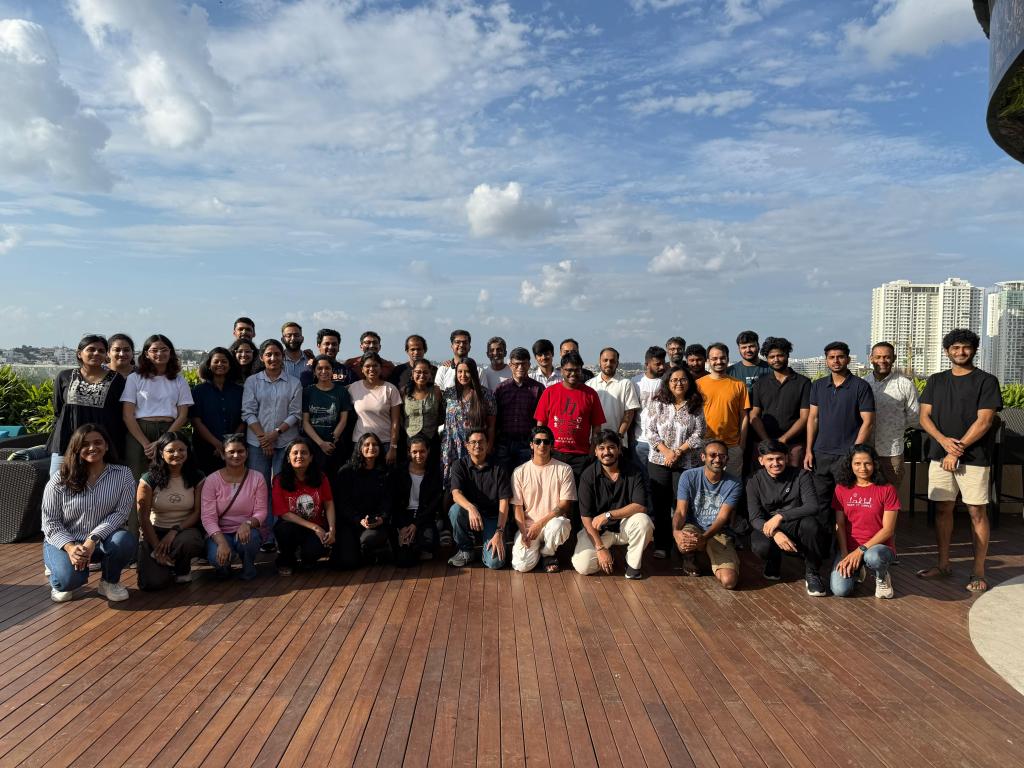
I don’t know how much of this I will remember or how much I will execute because every problem is different, and it’s about keeping your thoughts together while navigating the unknown. Because no matter how much you’ve seen or how much you’ve built, there’s always more waiting around the corner.

