
Over the last few years, one thing that has become increasingly clear is that technology challenges in nonprofits are rarely just technology challenges. Through our conversations with NGOs and our experience running the AI Cohort, we also realized that many organizations struggle to find the right technology talent. While organizations often need support with data systems, AI adoption, product development, and digital transformation, the real gap is often leadership, people who can align technology with organizational goals, build the right technical capabilities, and drive sustainable change
The Project Tech4Dev Fractional CxO (fCxO) program was built around this idea, placing experienced technology leaders with nonprofits to strengthen their technology strategy and execution. Through these engagements, organizations have built stronger systems, made better technology decisions, and moved faster on key priorities.
The program also highlighted a challenge. The deep engagement that makes the model effective makes it difficult to scale, as each Fractional CxO can work closely with only a small number of organizations at a time. At the same time, we were meeting experienced technologists from startups and technology companies who wanted to work on social impact but lacked a clear pathway into the sector.
The Technology Leadership Development Cohort grew out of these observations.
The cohort places experienced technology professionals with nonprofits for a year-long engagement, where they work with senior leadership on technology strategy, data systems, AI initiatives, process improvement, and product development. These are full-time paid positions, jointly supported by Project Tech4Dev and the nonprofit partner. Throughout the year, participants receive mentorship from experienced Fractional CxOs and learn alongside a cohort of peers making a similar transition into the social sector.
Building the Cohort
Launching the first cohort involved parallel selection processes for both technology leaders and nonprofit partners.
For technology leaders, we looked beyond technical expertise. We sought experienced professionals with strong problem-solving and leadership skills, hands-on engineering experience, an interest in the social sector, the ability to communicate across technical and non-technical teams, and a willingness to build capacity within organizations. More importantly, we looked for people who were genuinely exploring a long-term transition into social impact.
For nonprofits, the conversations went far beyond collecting applications. We spent time understanding each organization’s technology priorities, leadership commitment, digital maturity, operational readiness, and whether technology was a strategic priority. We also looked for organizations where an embedded technology leader could drive meaningful change while receiving the support needed to succeed.
Once both groups were selected, we mapped technology leaders to nonprofits based on organizational priorities, technical expertise, domain interests, leadership styles, and mutual preferences. The goal was not simply to fill positions, but to create partnerships that could thrive over the course of a year.
Launching the Journey
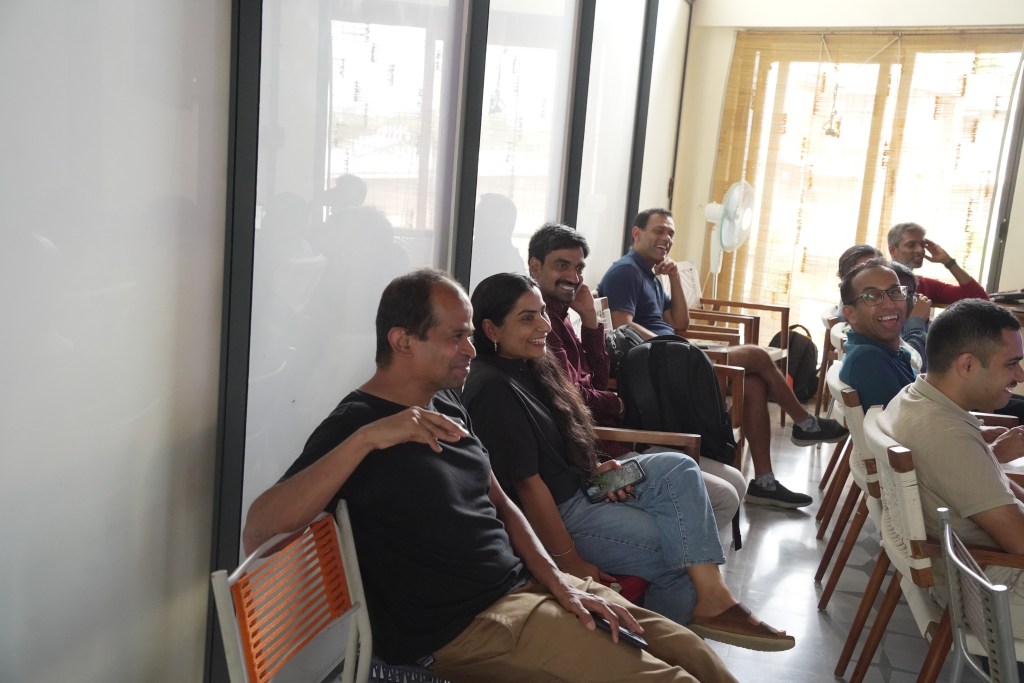
The cohort officially began with an in-person orientation, bringing together all seven technology leaders, and the Project Tech4Dev team. The workshop focused on understanding the realities of working in the social sector, getting to know partner organizations, and setting shared expectations for the year ahead.
Participants also met their Fractional CxO mentors, who will support them throughout the engagement through regular mentoring, guidance, and peer learning.
To ensure everyone stays aligned, we have also put together a clear set of roles and responsibilities for technology leaders, nonprofit partners, mentors, and the Tech4Dev team. These shared expectations create accountability, clarify ownership, and provide a common framework for collaboration throughout the program.
The first cohort brings together seven nonprofits and seven technology leaders. Over the next year, these leaders will work alongside their partner organizations to solve real operational and strategic challenges. We expect to see new systems built, processes improved, and technology capabilities strengthened. Just as importantly, we hope to develop a new generation of technology leaders who understand both technology and the realities of working in the social sector.
To read more about the cohort launch and the opening workshop, check out the blog written by Ashana.

